What to Know Before Installing Synthetic Grass for Your Yard
Planning for a synthetic lawn that lasts
Switching to synthetic grass is a decision many homeowners make to reduce water use, cut down on lawn maintenance, or create a more durable play surface. But the quality of the finished yard depends heavily on what happens before the first roll of turf is laid. Getting the ground ready, choosing the right materials, and understanding the steps involved can make the difference between a lawn that looks natural for years and one that shifts, drains poorly, or wears unevenly.
The process is more involved than simply rolling out green carpet. A well-done synthetic lawn requires careful sub-base preparation, proper drainage, and secure seaming. Each step has its own set of choices and trade-offs. Knowing what to expect helps you ask better questions and avoid common mistakes.
Sub-base preparation sets the foundation
The ground beneath the turf determines how the surface feels underfoot and how well it sheds rainwater. Most installations start by removing the existing grass and topsoil, typically to a depth of three to four inches. This allows room for a base layer of crushed rock or decomposed granite. The base material is spread, leveled, and compacted to create a stable surface that resists settling over time.
Weed barrier fabric is often placed over the compacted base before the turf goes down. This layer blocks sunlight from reaching any soil below, which helps prevent weeds from pushing through the turf. While no barrier is completely foolproof, it significantly reduces the amount of maintenance needed later.
Drainage is another critical part of the base. Most synthetic grass products have perforated backing that allows water to pass through. The base layer needs to be permeable enough to let that water drain away quickly. If the base is too compacted or made of fine material that holds water, puddles can form on the surface after rain. A well-designed drainage layer, usually consisting of crushed stone with angular edges, creates spaces for water to flow down and away.
Choosing the right turf for your use
Not all synthetic grass is the same. The look and feel come down to factors like pile height, blade shape, and color variation. A taller pile, around one and a half to two inches, mimics the look of natural fescue or Bermuda grass. Shorter piles are common for putting greens and pet areas, where a dense, low surface works better.
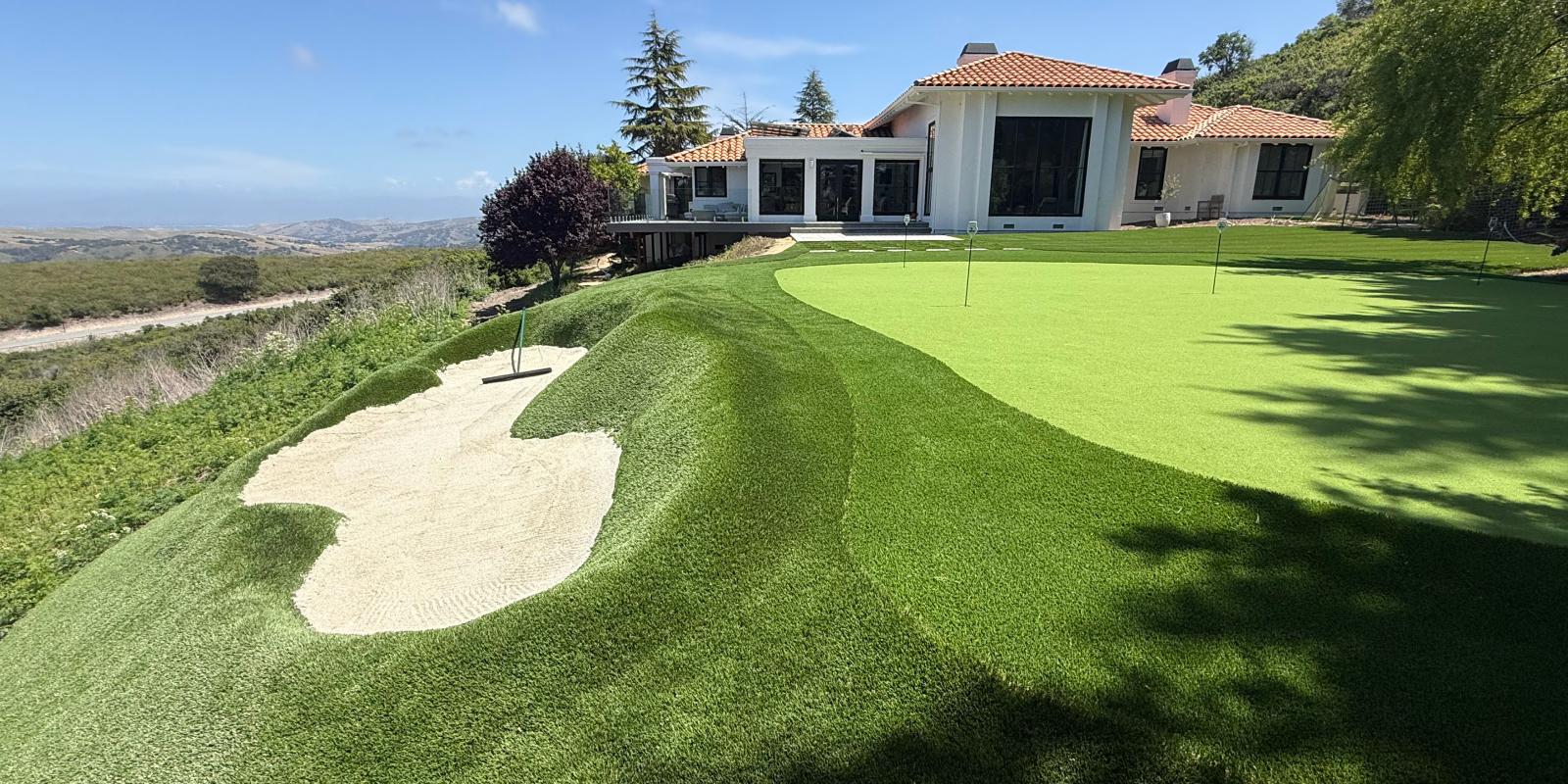
Blade shape also affects performance. C-shaped or W-shaped blades tend to hold up better under foot traffic and stay upright longer than flat blades. For areas with heavy use, such as a play zone or a dog run, a turf with durable blades and a strong backing is worth the investment. For a putting green, a turf with a shorter pile and a finer texture gives a truer roll.
Pet turf is a specific category worth looking into. It usually includes built-in drainage channels that allow urine to pass through rather than pooling on the surface. Some products also have antimicrobial treatments to reduce odors. If you have dogs, choosing a turf designed for pets can make cleaning and maintenance much easier.
The role of infill in performance
Infill is the material spread between the blades after the turf is laid. It serves several purposes: it weighs down the turf to keep it flat, supports the blades so they stand upright, and provides cushioning underfoot. The most common infill materials are silica sand and crumb rubber, though newer options like cork or acrylic-coated sand are also available.
Silica sand is inexpensive and works well for most residential lawns. It adds weight and helps the turf stay in place. Crumb rubber, made from recycled tires, adds more cushioning and is often used on sports fields or play areas. The downside is that rubber can get hot in direct sun and may have a distinct smell when first installed. Cork infill is a natural alternative that stays cooler and resists compaction, but it costs more.
The amount of infill matters too. Too little and the turf may feel thin or develop wrinkles. Too much and the blades get buried, making the lawn look flat and artificial. Most manufacturers provide a recommended infill rate for their products, usually measured in pounds per square foot.
Seaming and securing the turf
Large lawns often require multiple rolls of turf, which means seams are unavoidable. Proper seaming is one of the trickiest parts of the process. The edges of each roll need to be trimmed carefully so they fit together without gaps. Seaming tape is placed under the joint, and adhesive is applied to bond the two pieces.
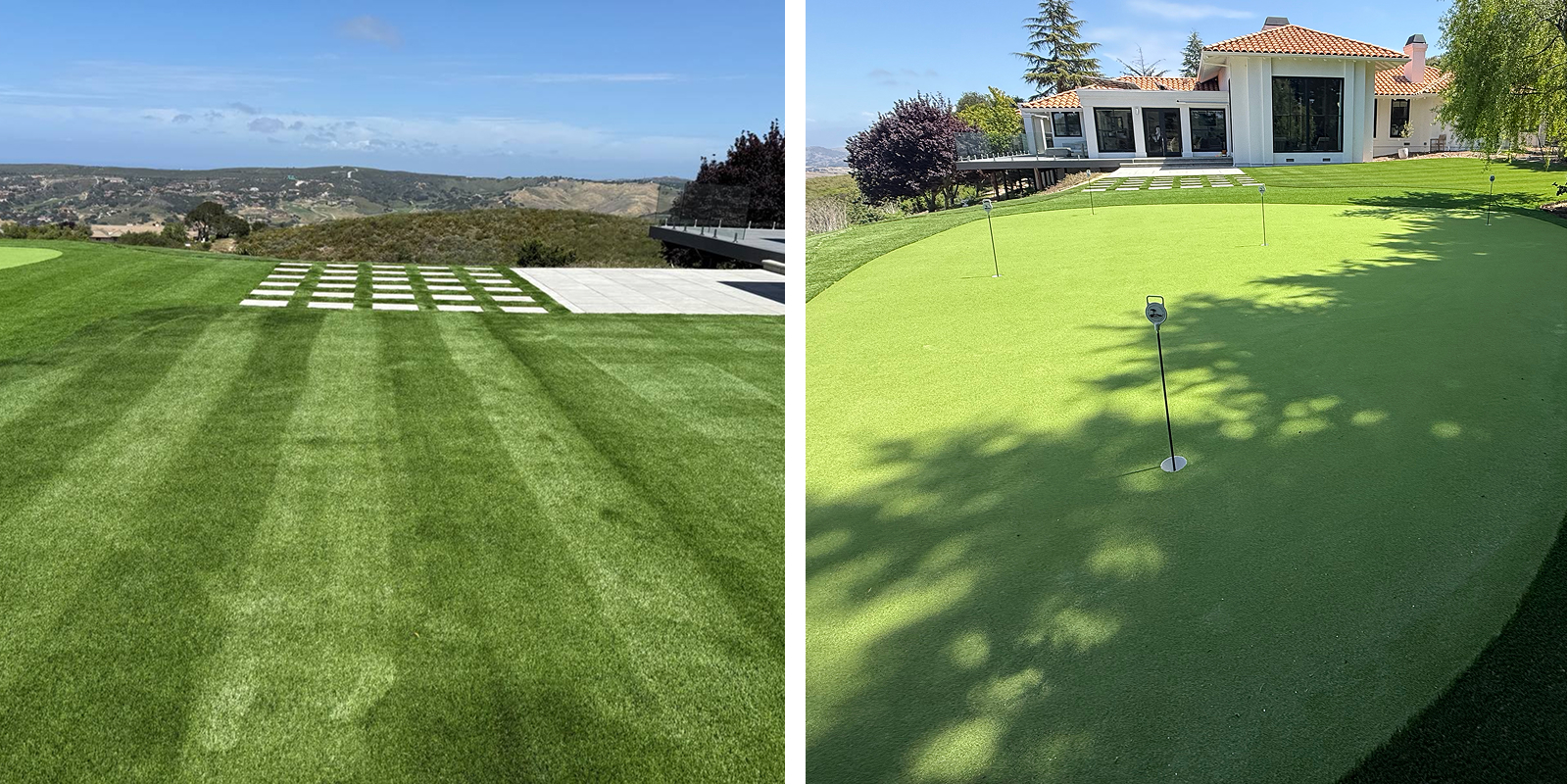
A poorly done seam is visible and can weaken over time. The key is to make sure the pile direction matches on both sides of the seam and that the edges are butted together tightly without overlapping. If the turf stretches or shifts during installation, the seam may open up later. Allowing the turf to rest and acclimate to the temperature before seaming helps reduce this risk.
Practical tips for a smooth artificial turf installation
Timing and weather matter. Turf expands in heat and contracts when it is cool. Ideally, an artificial turf installation should be done on a mild day so the material is at a neutral temperature. If it is installed when it is very hot, the turf may shrink slightly as it cools, creating gaps at the seams. Cold installations can cause ripples when the turf warms up later.
Edges need to be secured properly. Along driveways, walkways, or garden beds, the turf should be tucked into a border or held down with landscape staples or nails. Without a firm edge, the turf can peel up or develop wavy edges over time.
For pet areas, adding a separate drainage layer or a slight slope in the base helps keep the surface clean. Rinsing the turf with a hose periodically and applying a pet-safe enzyme cleaner can control odors without damaging the grass.
Long-term care and expectations
Synthetic grass does not need mowing or watering, but it does require some upkeep. Leaves and debris should be brushed or blown off regularly to prevent organic matter from breaking down and creating a breeding ground for weeds. The infill may need to be brushed back into place every so often, especially in high-traffic areas, to keep the blades standing up.
Over time, the turf may flatten in spots where people walk frequently. Using a stiff broom or a power brush can fluff the blades back up. In very hot climates, the surface can get warm, so choosing a lighter color or a turf with heat-reflective properties can make a difference on sunny days.
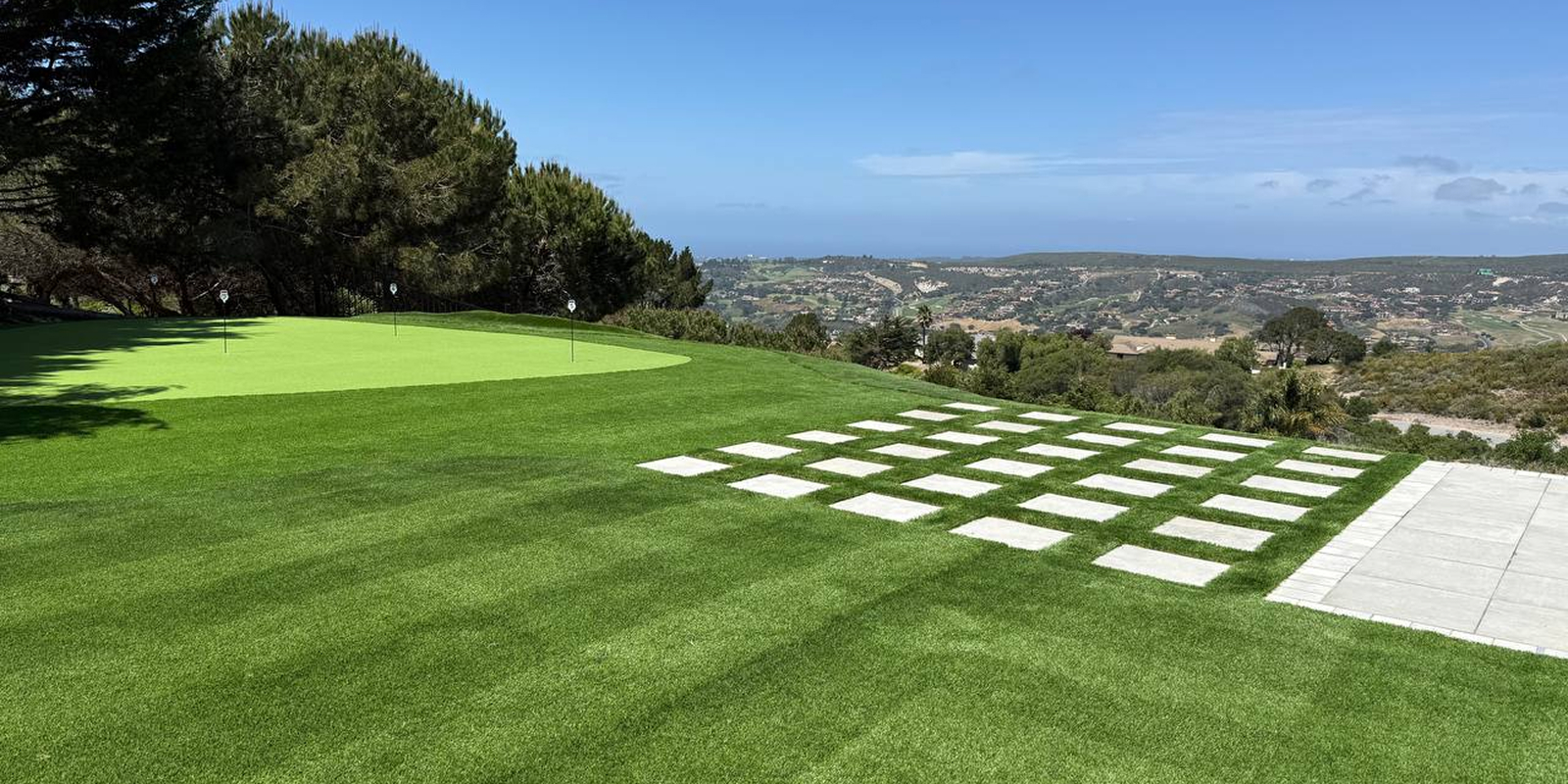
Most quality synthetic lawns last between 12 and 15 years with reasonable care. The backing can degrade from UV exposure over time, so choosing a product with a strong UV stabilizer is important. Checking the warranty terms before buying gives a sense of how long the manufacturer expects the turf to hold up.
Understanding these details before starting a project helps set realistic expectations. The work involved in preparing the ground, selecting the right materials, and installing the turf correctly is what separates a good lawn from a mediocre one. Taking the time to plan each step pays off in a yard that looks good and functions well for years to come.